For more than a century, medical textbooks taught that chemical communication between the digestive system and the brain was a purely hormonal and gradual process. It was believed that cells in the intestinal lining took several minutes to release molecules into the bloodstream to notify the brain that we had eaten or were full. However, a team of neuroscientists at Duke University led by Dr. Diego Bohórquez identified an unusual structure that overturned this dogma: neuropods.
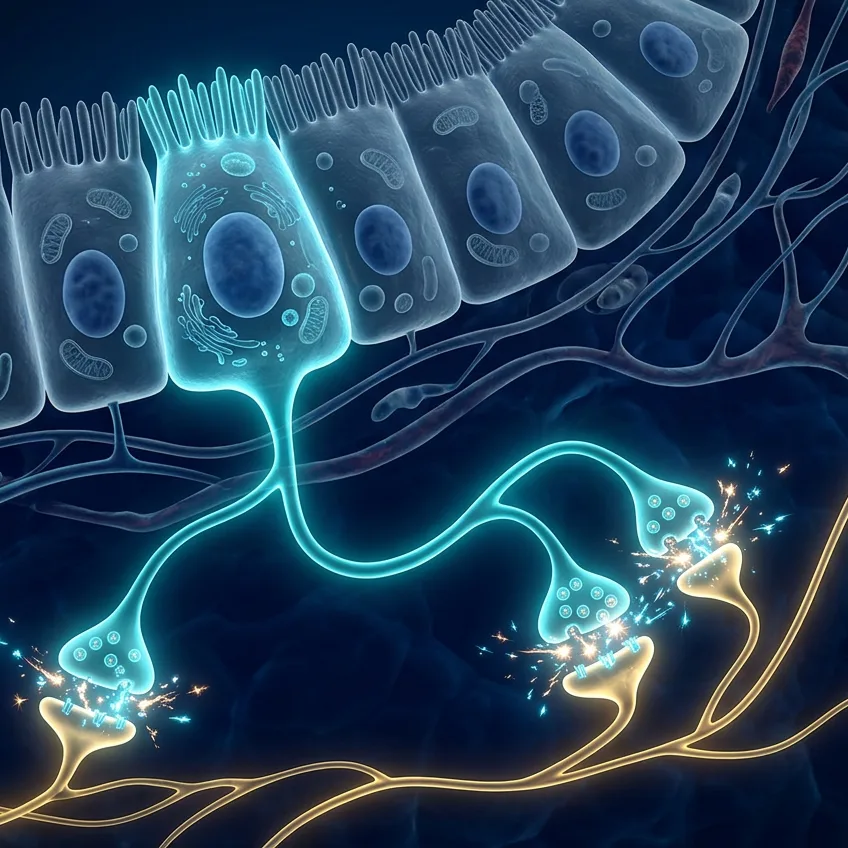
These sensory cells in the digestive epithelium do not just secrete hormones; they have tiny extensions that form genuine direct synapses with endings of the vagus nerve. Thanks to this physical link, the gut sends electrical signals about ingested nutrients to the brainstem in less than 100 milliseconds, a speed strikingly similar to the retina capturing light.
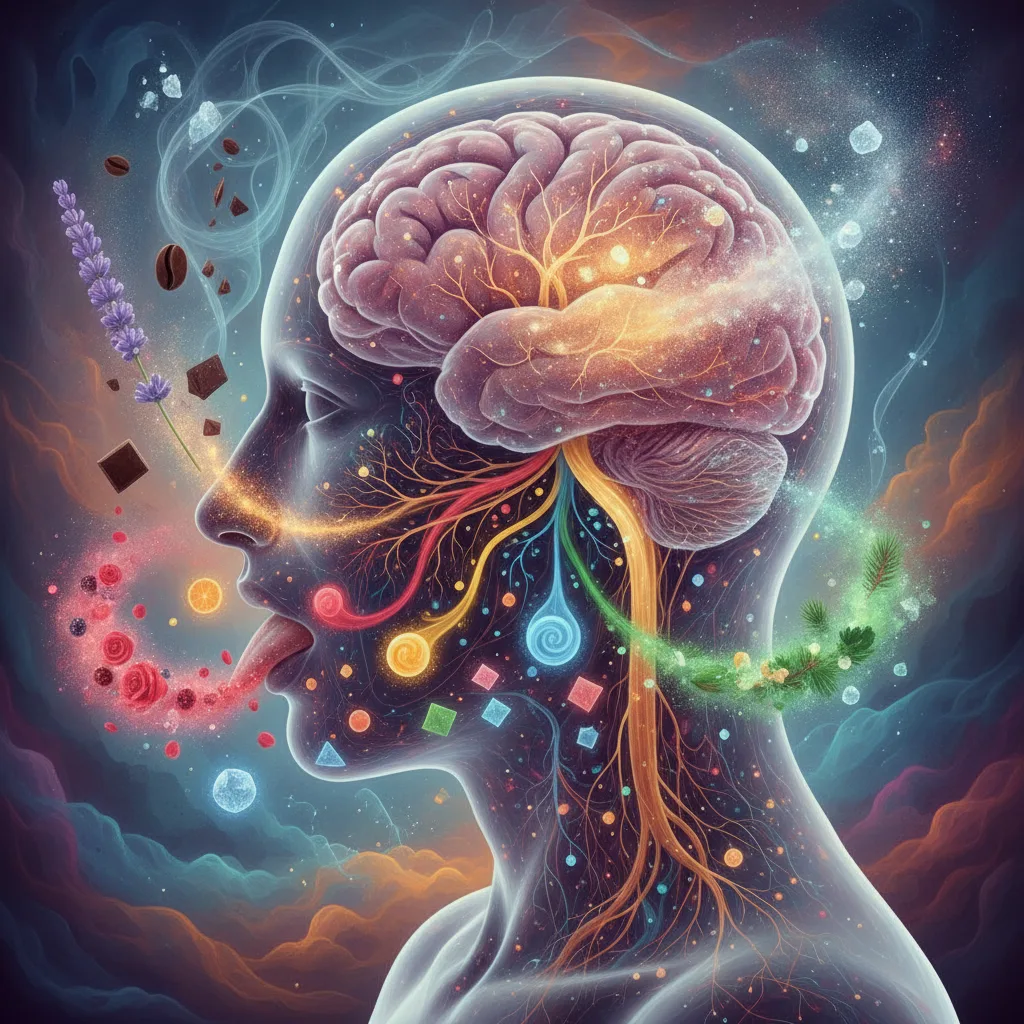
Neuropods act like an internal tongue capable of discerning the precise chemistry of food:
- Real calorie detection: They distinguish caloric sugar from artificial sweeteners in milliseconds, triggering brain reward circuits before digestion even begins.
- Use of neurotransmitters: They use glutamate, the primary excitatory messenger of the central nervous system, to pass sensory information to the vagus nerve without delay.
This discovery reveals that our brain registers the caloric and molecular properties of every bite long before nutrients enter the blood, opening an unprecedented medical frontier to address obesity, eating disorders, and neurodigestive conditions directly from the intestinal mucosa.
Source: Science (Duke University, 2018 / Dr. Diego Bohórquez)