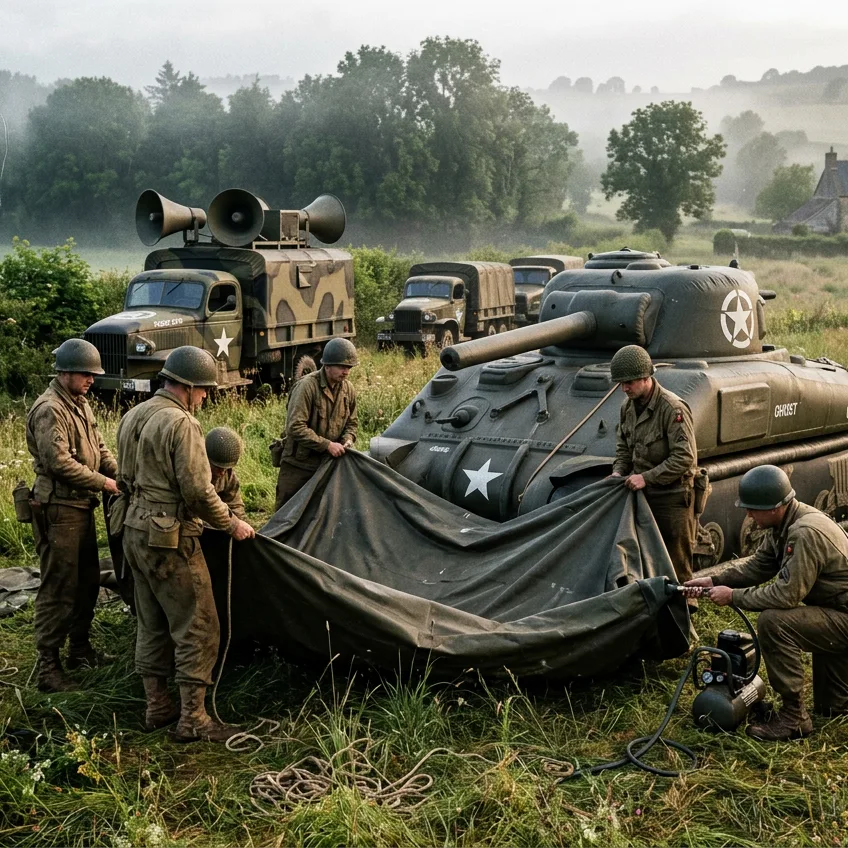
In the spring of 1943, the Allies were preparing the invasion of Sicily, the strategic springboard to enter occupied Europe. The problem was evident: Winston Churchill warned that any strategist would know Sicily was the logical target. To mislead the German high command, British intelligence officers Ewen Montagu and Charles Cholmondeley devised one of the most daring deception stratagems in military history.
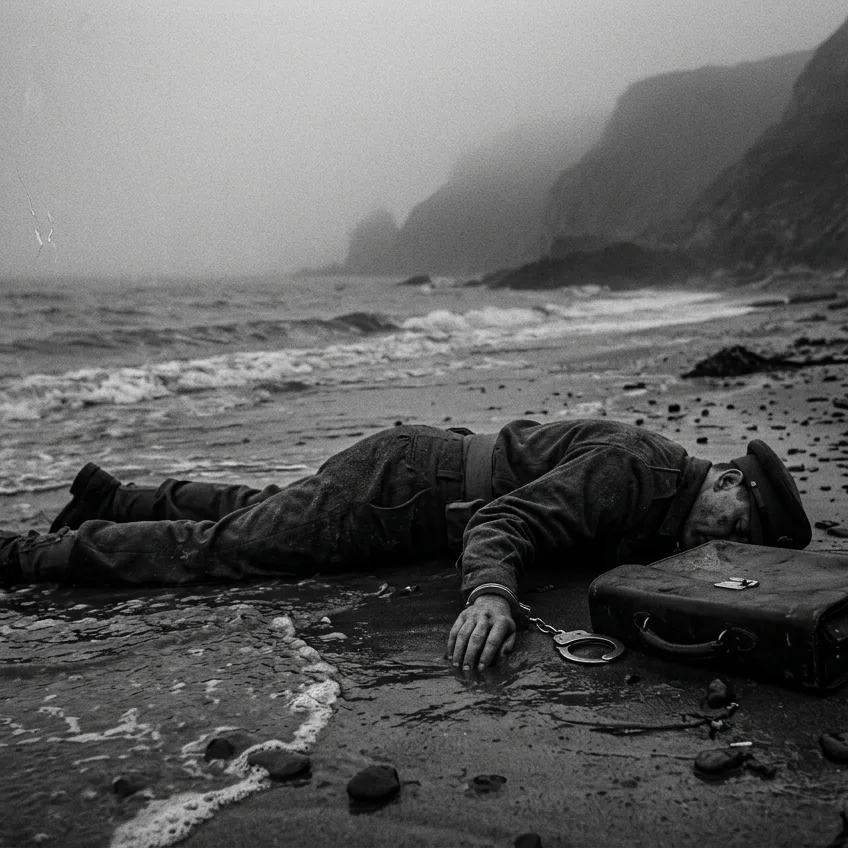
They obtained the body of Glyndwr Michael, a homeless Welshman who died in London from ingesting rat poison, and created an impeccable fictional identity for him: Major William Martin of the Royal Marines. In his pockets, they placed love letters from an nonexistent girlfriend, unpaid bills, photos, and a secret military letter from the General Staff revealing that the real Allied assault would be in Greece and Sardinia, mentioning Sicily only as a diversionary maneuver.
On April 30, 1943, the submarine HMS Seraph released the body into the waters of Punta Umbría (Huelva), where currents carried it ashore. Nazi spies in Francoist Spain gained access to the diplomatic briefcase chained to the corpse and sent direct copies to Berlin. Adolf Hitler took the bait completely: he withdrew armored divisions from France and the Soviet Union to send them to Greece. When the Allies landed in Sicily in July 1943, German resistance was far lighter than anticipated, saving thousands of Allied lives thanks to a man who fought his greatest battle after death.
Source: Macintyre, Ben (2010). 'Operation Mincemeat: The True Spy Story that Changed the Course of World War II'. Bloomsbury Publishing.