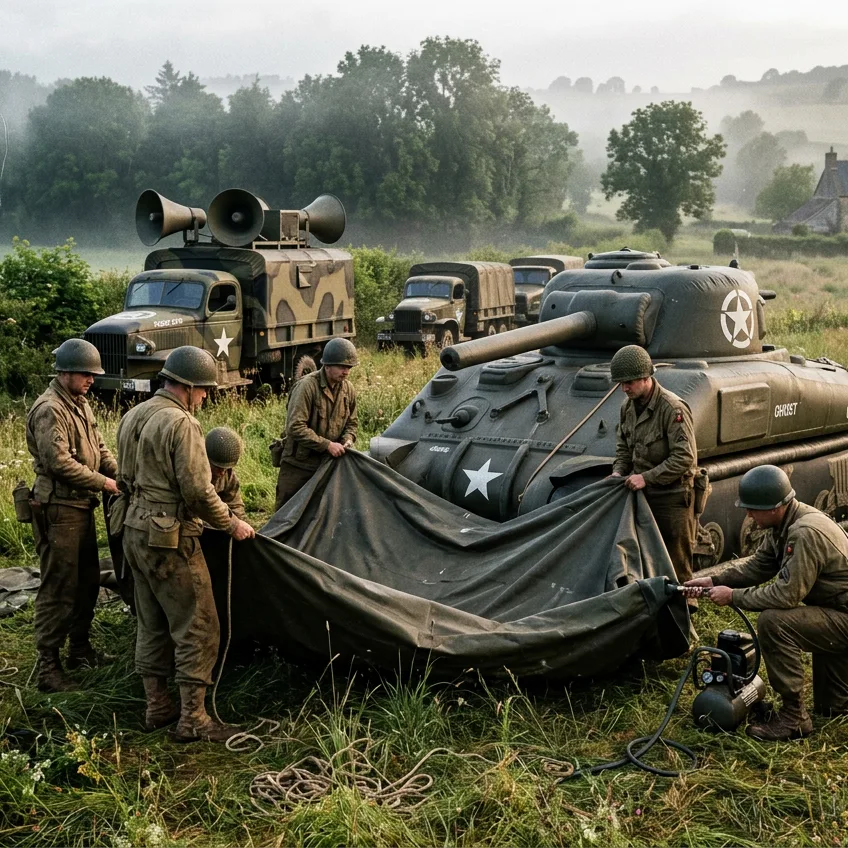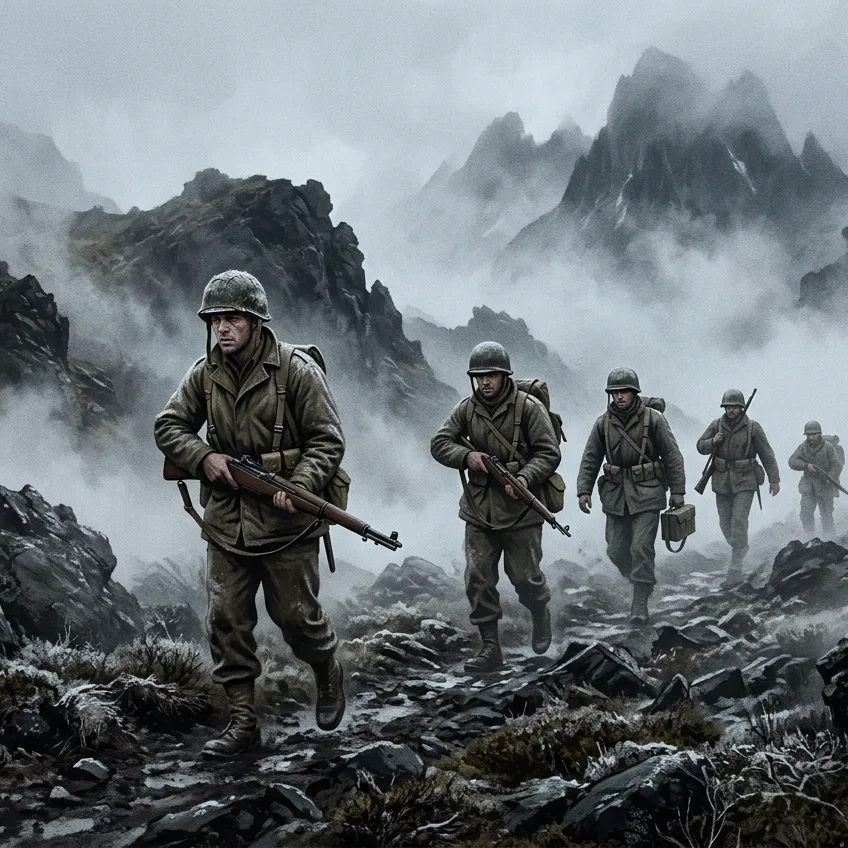
In August 1943, at the height of World War II, an imposing force of over 35,000 American and Canadian soldiers prepared to dislodge Japanese troops from Kiska Island, in Alaska's freezing Aleutian archipelago. The mission, named Operation Cottage, culminated in one of the greatest military confusion tragedies in modern history: a fierce battle against an enemy that was never there.
Weeks before the assault, under the cover of thick northern fog, the Japanese navy had carried out a masterclass evacuation. In just fifty-five minutes, several Japanese vessels secretly rescued the garrison's 5,400 soldiers without Allied radar detecting the maneuver. However, convinced that the adversary lay entrenched, the Allies landed on August 15 after intense preliminary naval bombardments.
What followed was a descent into chaos fueled by combat neurosis and zero visibility:
- Constant friendly fire: Amid dense fog and rugged terrain, Allied patrols mistook each other's silhouettes and traded crossfire for days.
- Booby traps: Landmines and tripwires abandoned by the Japanese wreaked havoc on infantry advancing blindly.
- Naval disaster: The destroyer USS Abner Read struck a floating naval mine, losing its stern and leaving 71 dead.
At the end of eight days of supposed combat, the final toll was chilling: over 300 Allied casualties (including 92 dead directly and dozens wounded), all to recapture an entirely deserted island guarded only by several abandoned dogs.
Source: U.S. Army Center of Military History (The Aleutian Islands Campaign, 1942-1943)