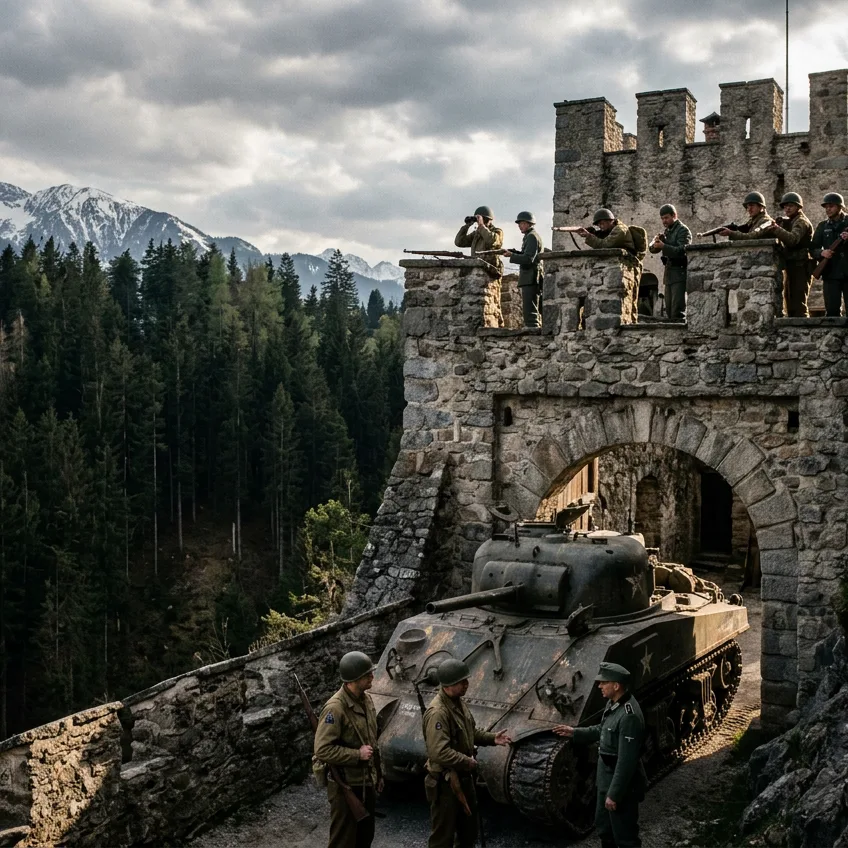
On May 5, 1945, just five days after the suicide of Adolf Hitler, the most improbable clash of World War II took place: the Battle of Castle Itter, in the Austrian Alps. That medieval fortress served as a high-security prison managed by the Dachau concentration camp to hold high-profile French figures, among them former prime ministers Édouard Daladier and Paul Reynaud, and legendary generals Maurice Gamelin and Maxime Weygand.
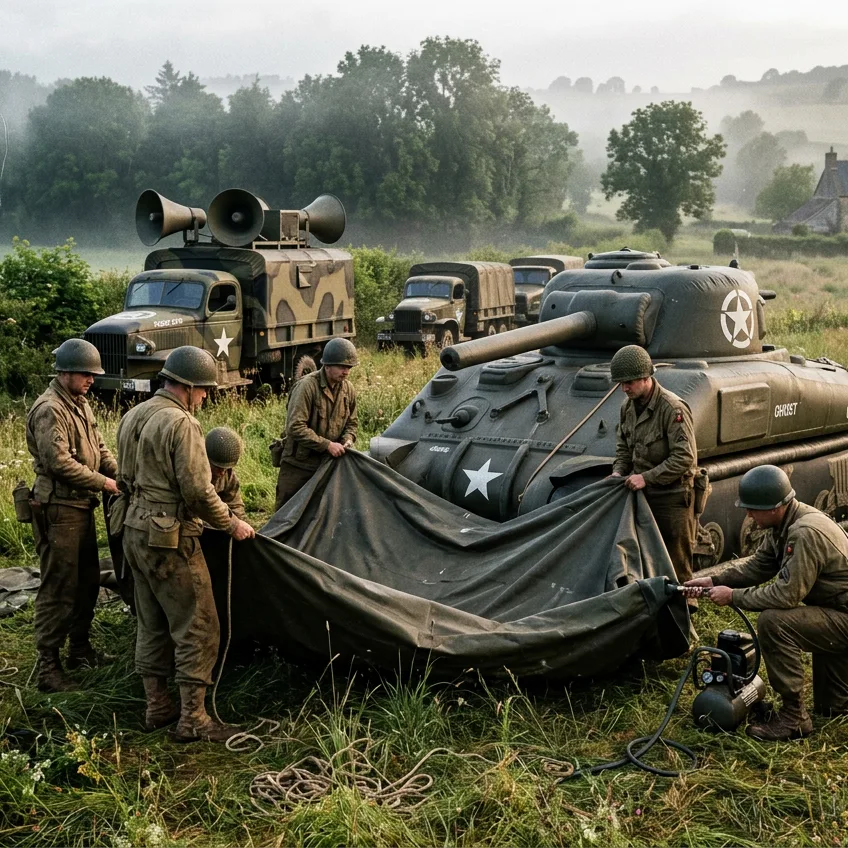
Faced with the flight of the initial garrison and the advance of about 150 fanatics of the 17th SS Panzergrenadier Division of the Waffen-SS determined to execute the inmates, an unprecedented alliance in modern military history was forged. U.S. Army Captain John C. Lee Jr., leading a lone Sherman tank christened Besotten Jenny, joined forces with German Major Josef Gangl, a decorated Wehrmacht officer who had defected to collaborate with the local resistance.
The improvised defensive garrison consisted of 14 American soldiers, about 20 German servicemen, Austrian partisans, and even the French dignitaries themselves, who took up Mauser rifles. Together they repelled successive waves of SS assaults during critical hours until reinforcements from the U.S. 36th Infantry Division broke the siege. Major Gangl died protecting the politician Reynaud, sealing the only battle of the entire war where Americans and regular German troops fought shoulder to shoulder as formal allies.
Source: The Last Battle: When U.S. and German Soldiers Fought Together in the Waning Hours of World War II in Europe (Stephen Harding, 2013)