Building a barrier to protect the Port of Rotterdam without blocking one of the busiest maritime routes on the planet seemed like an unsolvable dilemma. The Dutch answer was the Maeslantkering (the Maeslant Barrier), the final and most spectacular structure of the legendary Delta Works, inaugurated in 1997.
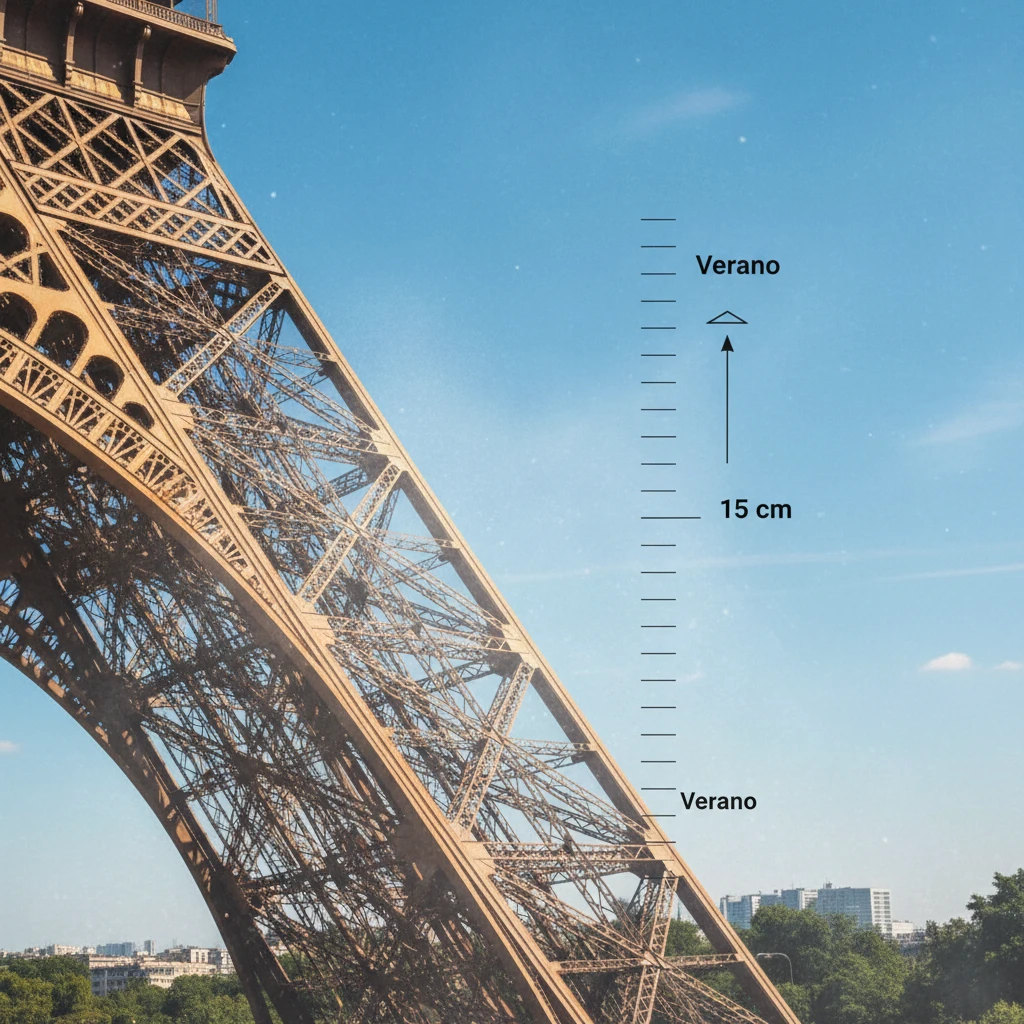
The project consists of two gigantic circular sector-shaped gates, each with lattice arms 237 meters in length and a steel mass comparable to that of the Eiffel Tower (about 6,800 tonnes per gate). When open, they rest hidden in dry docks on both sides of the Nieuwe Waterweg canal, allowing uninterrupted commercial traffic. But in the event of an extreme storm surge exceeding three meters above sea level, a choreography of absolute precision is unleashed:
- Titanic ball joints: Each arm is anchored to land by a steel spherical joint ten meters in diameter and 680 tonnes, designed to pivot on multiple axes under monstrous pressures.
- Buoyancy and submersion: Engines push the hollow gates to float them across the water until they meet in the center of the 360-meter canal. Once joined, their internal tanks flood to sink them 17 meters until they rest on a concrete sill.
What is most fascinating is that the infrastructure is governed by a supercomputer called BOS, which decides on closure completely autonomously. Engineers eliminated direct human intervention to prevent economic doubts from delaying the order in an imminent catastrophe.
Source: Rijkswaterstaat (Ministry of Infrastructure and Water Management of the Netherlands)