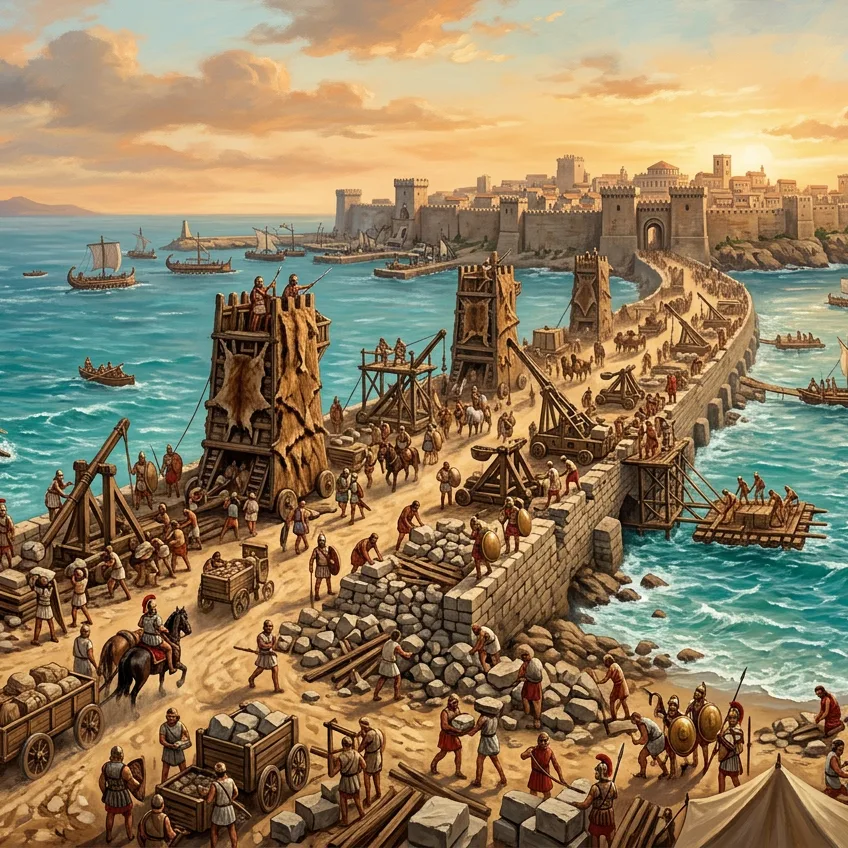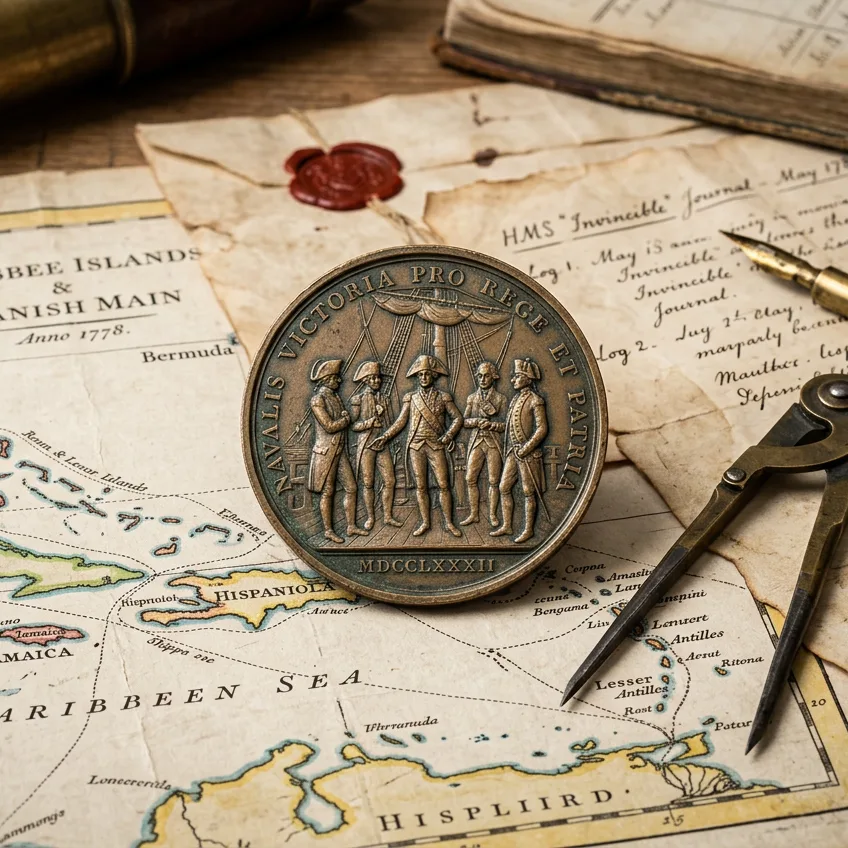
In the spring of 1741, during the War of Jenkins' Ear, British Admiral Edward Vernon arrived off the coast of Cartagena de Indias commanding a colossal force: 186 warships and nearly 27,000 men. It was the largest amphibious fleet ever assembled until the Normandy landings two centuries later. The Spanish city was defended by just 3,000 soldiers and six ships under the command of Blas de Lezo, a veteran officer who had lost an eye, an arm, and a leg in previous battles.
After breaching the outer harbor defenses, Vernon considered the stronghold conquered. Without waiting for the final outcome, he dispatched a packet boat to England announcing total victory. The news unleashed wild euphoria in London: bells rang, bonfires were lit, and the immediate minting of thousands of bronze commemorative medals was ordered. They depicted Blas de Lezo himself kneeling and handing over his sword, under triumphalist inscriptions such as «Spanish pride humbled by Admiral Vernon».
However, the reality overseas was catastrophic for the British:
- Attrition strategy: Blas de Lezo concentrated his troops at the Castle of San Felipe de Barajas, digging trap trenches that thwarted the English night assaults.
- Involuntary biological warfare: The rainy season and yellow fever decimated the invaders, who lost nearly 10,000 men and dozens of ships.
Defeated and out of supplies, Vernon had to order a retreat in May 1741. Upon learning of the disaster, King George II strictly forbade speaking or publishing anything about the expedition in official records, turning those premature medals into one of the greatest propaganda blunders in history.
Source: National Maritime Museum (Greenwich) / Archivo General de Indias